
Faith, Heritage & Spice Coast | Journey through India

Updated: May 29
First Impressions of India
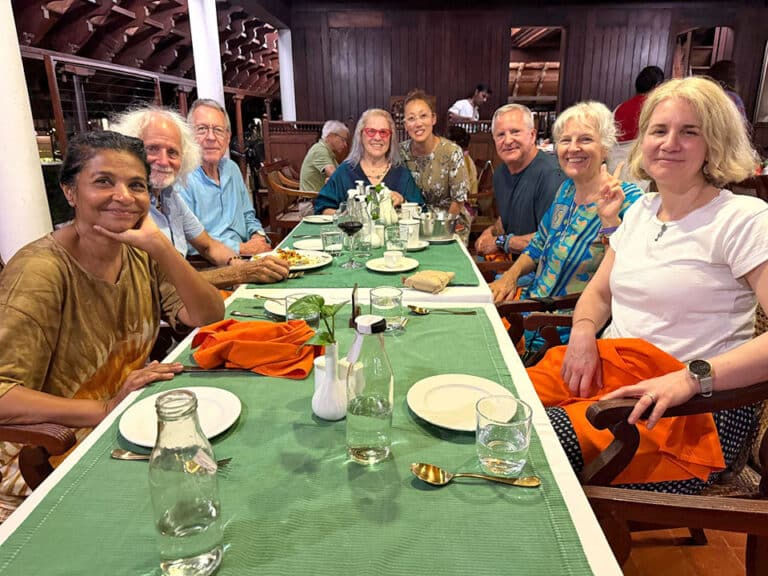
Kirk and Heidi’s journey to India began through their deep interest in Vedic meditation and spirituality. Their path eventually led them to Roger Gabriel, a former disciple of Maharishi Mahesh Yogi and a respected meditation teacher. Inspired by his teachings and guidance, they joined his meditation-focused tour to India, turning the experience into both a spiritual and cultural exploration. Through this journey, they discovered not only India’s ancient traditions and sacred spaces, but also the warmth, diversity, and human connections that make the country unforgettable.
Many countries are known for landmarks that make them recognizable. India, however, is known for creating certain feelings that people remember for years.
The trip started in Chennai, a city characterized by a peculiar mixture of chaos, old-world charm, traditions, temples, and modernity. Almost right away, it turned out that India was not something you merely visit. It is always inviting you in with sounds, smells, rituals, colors, and friendly people. Let’s take a journey through India’s faith, heritage & spice coast.
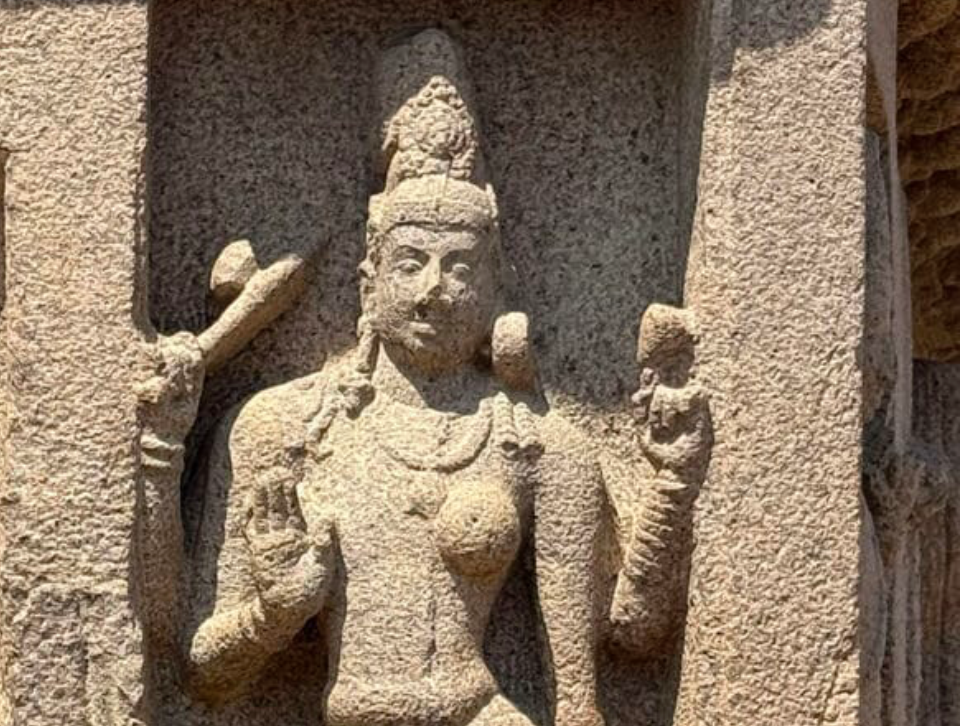
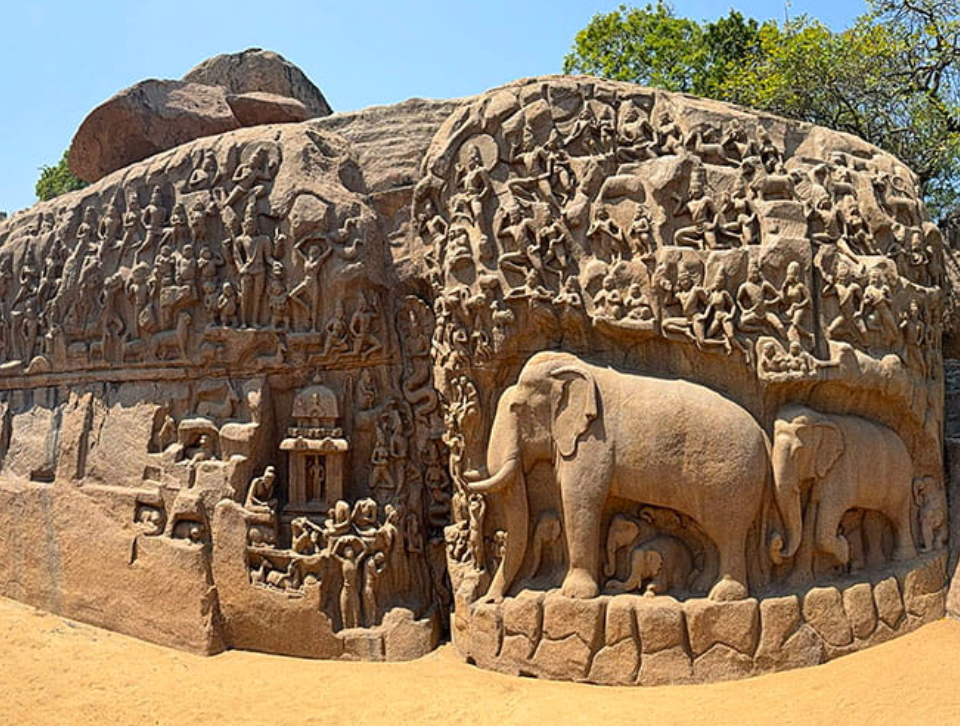

A Country Deeply Rooted in Spirituality
One of the main attractions of traveling to India was the possibility to experience spirituality that seemed integral in life here.
From temples filled with chanting at dawn to the call to prayer in mosques; flower offerings placed at home or shop doors and quiet, unnoticed rituals. Religion in India seems to blend organically with life.
Also, it was very interesting to see how people of different religions live peacefully among each other in the same cities. Mosques, churches, temples, and shrines often stand close to each other. People visit them with mutual respect. Exploring Ancient Spirituality: Tamil Nadu
Tiruvannamalai
Tiruvannamalai carries a powerful spiritual atmosphere, deeply connected to meditation and inner transformation. It is often believed that Tiruvannamalai can lead one toward liberation from the cycle of birth and death through remembrance alone. The majestic sight of the nine towering gopurams creates an overwhelming feeling of divine protection and surrender. During the sacred festival of lights celebrated in December, a massive flame is lit atop Arunachala Hill, creating a powerful spiritual moment in South India where thousands gather to experience the warmth, devotion, and divine energy of Lord Shiva incarnated in the form of eternal light, representing the removal of ignorance and the realization of divine consciousness.
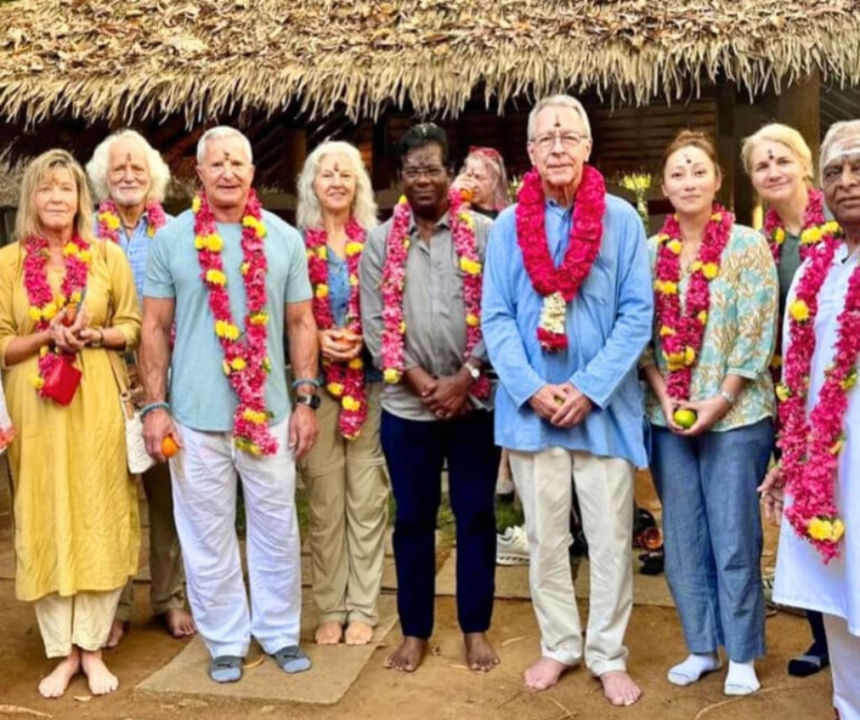

Sri Ramanashramam In many sacred places, peace is something you feel externally through silence, nature, or the atmosphere around you. At Ramanashramam, however, the experience feels much deeper and more inward. The energy of the ashram gently reminds visitors that the peace they often search for outside has always existed within themselves. Sacred spaces like this help people reconnect with an inner stillness that is often forgotten in daily life. The atmosphere naturally encourages turning inward rather than seeking answers from the outside world. This reflects the core teaching of Ramana Bhagavan, whose simple yet profound question, “Who am I?”, continues to guide seekers toward self-inquiry and deeper self-awareness. Through the sacred presence of Arunachala, the ashram creates an environment that brings clarity, balance, and a quiet understanding of oneself.
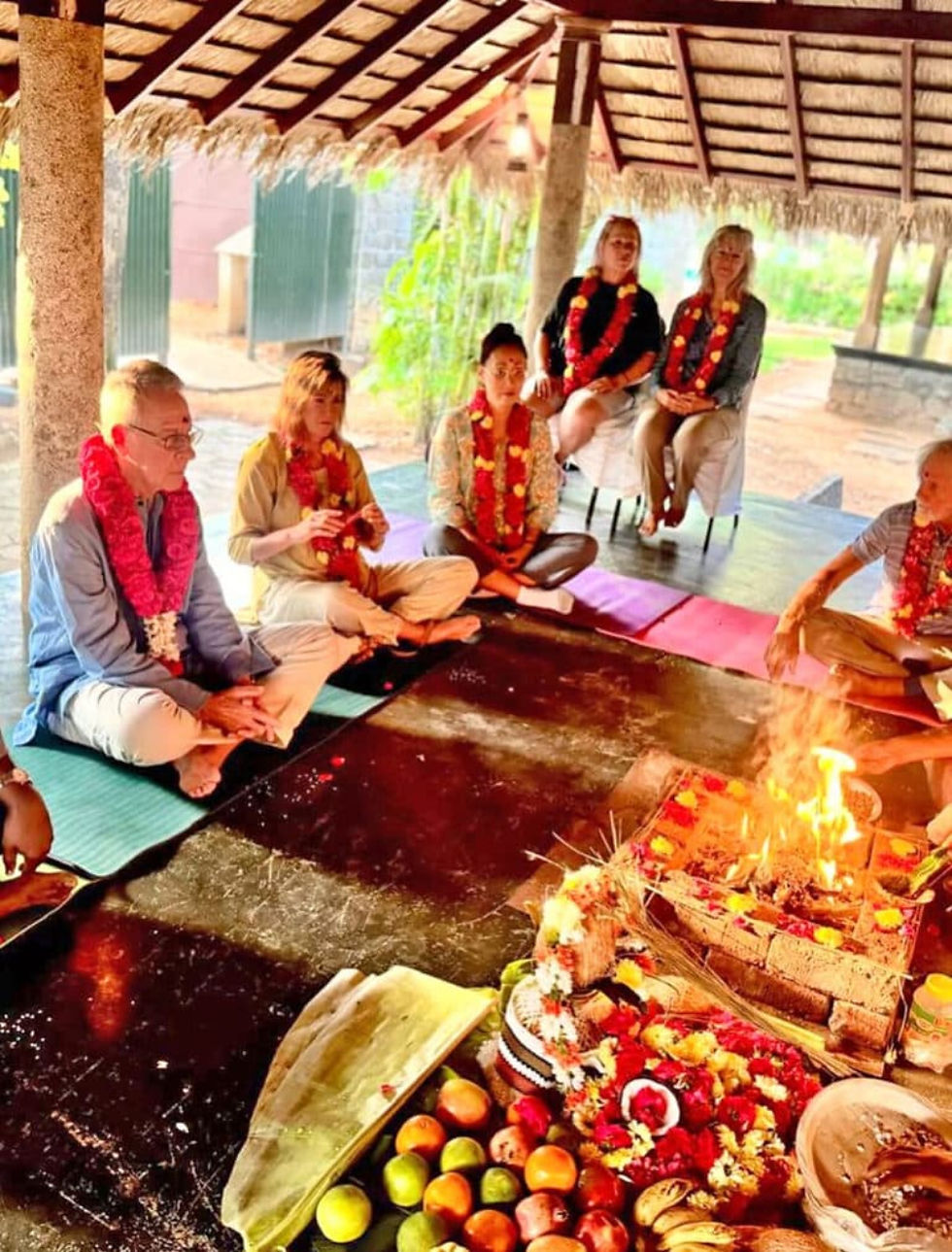
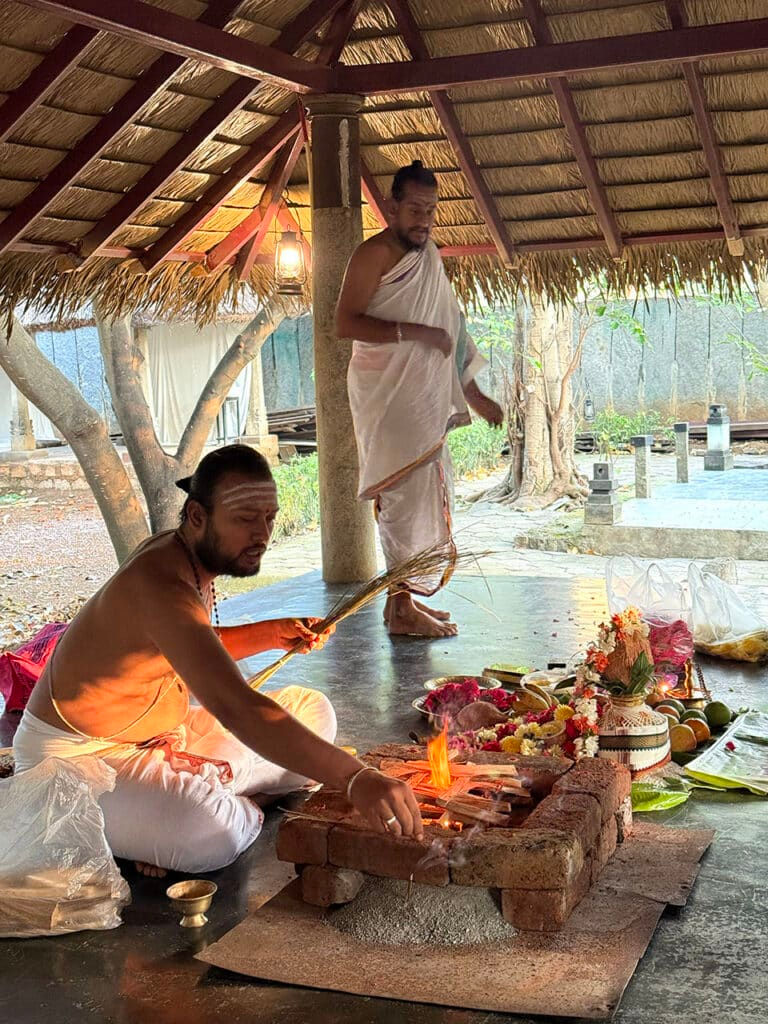
Meenakshi Amman Temple, Madurai
Meenakshi Amman Temple in Madurai felt vibrant, alive, and deeply spiritual at the same time. The temple is dedicated to Goddess Meenakshi and Lord Sundareswarar, representing the divine union of Shakti and Shiva. Its towering gopurams covered with thousands of colorful sculptures create a breathtaking first impression visible from across the city. Inside, the temple corridors are filled with chants, lamps, incense, and the continuous movement of devotees and pilgrims. Every part of the temple reflects centuries of devotion, art, culture, and Tamil heritage preserved through generations. Beyond its architectural beauty, the temple carries a powerful energy that makes visitors feel connected to something timeless and sacred.
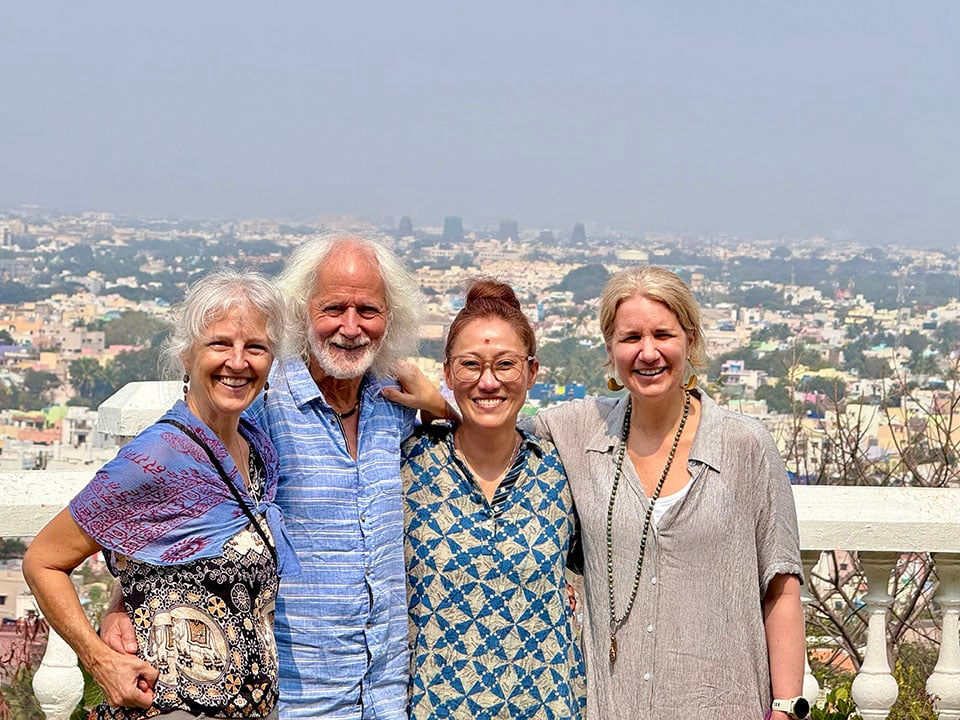

Chidambaram Nataraja Temple Chidambaram Nataraja Temple is one of the most spiritually significant temples in Tamil Nadu, dedicated to Lord Shiva as Nataraja, the Cosmic Dancer. Unlike many temples centered around a traditional Shiva Lingam, this temple celebrates Shiva through the divine dance of creation, preservation, and dissolution. The temple beautifully blends spirituality, philosophy, art, and science into one sacred space. Its ancient halls, golden roof, and intricately carved pillars create an atmosphere filled with depth and symbolism. One of the most unique aspects of Chidambaram is the concept of the “Chidambara Rahasyam” or the secret of Chidambaram, symbolizing the formless nature of the divine. Walking through the temple feels less like visiting a monument and more like entering a space where movement, silence, and cosmic energy exist together.
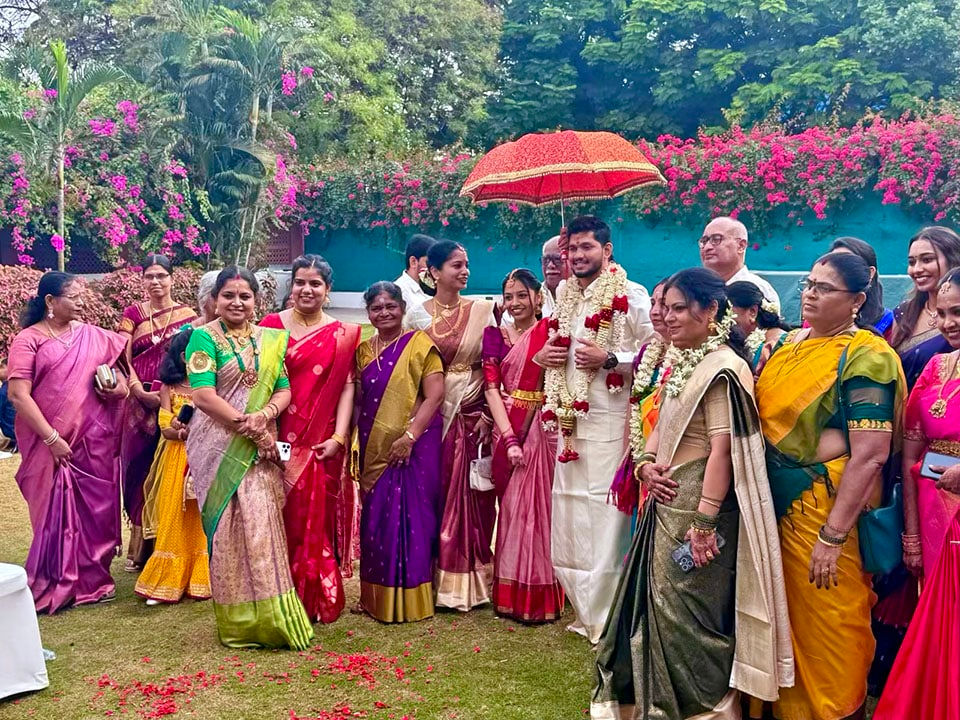
Attending a South Indian Wedding Ceremony in Chennai However, there is one memory that stands out. It was when Kirk and Heidi attended a South Indian wedding in Chennai. Music and ritualistic actions combined with a large number of participants made them feel that they were not simply attending a wedding, but witnessing a tradition carefully passed from generation to generation.

Kerala: A Soft, Slow, and Calm Place in India
When comparing Tamil Nadu and Kerala, it becomes evident how different the atmosphere is there. First of all, it is the relaxed pace, which makes you forget about rushing. It is like the air there – softer. While the palm trees replace temple towers in Kerala, and canals replace crowded city roads. It is why this state of India is also referred to as Spice Coast due to its tranquil atmosphere that is impossible not to notice after a couple of days.
In particular, the backwaters in Kumarakom were one of the most amazing experiences there. Sailing through the narrow canals under palm trees, surrounded by fishing boats and villages with their unhurried pace, felt like a voyage through time.
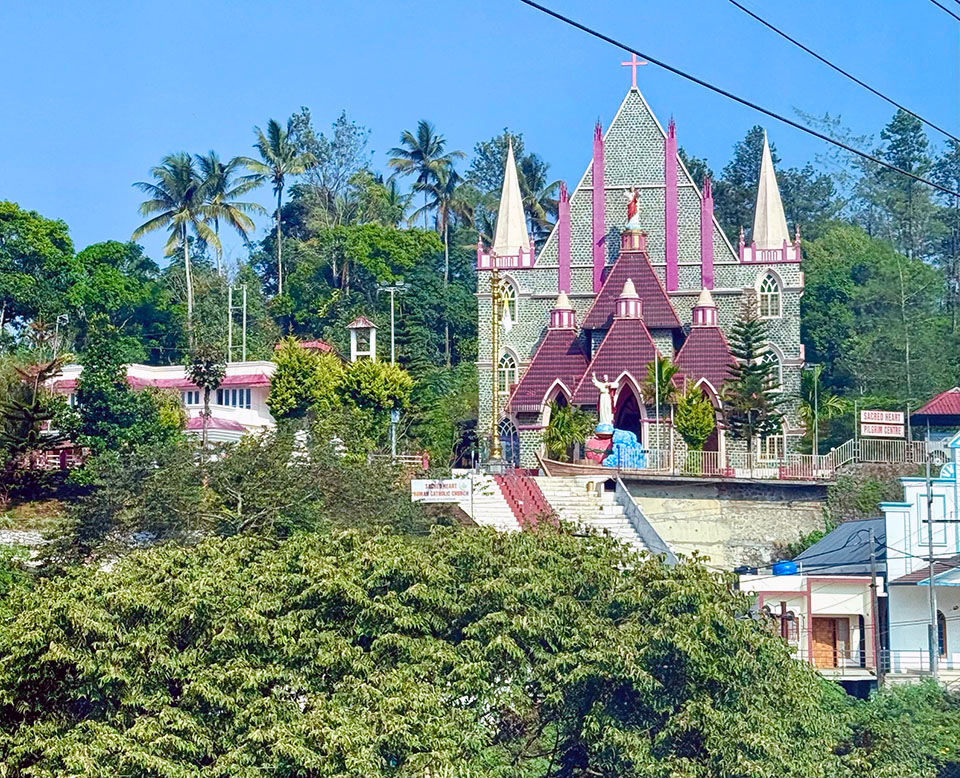
Furthermore, one can feel another layer of India's rich history in Kochi – a coastal city formed by centuries of global interactions. This place was influenced by Arabs, Chinese, Portuguese, Dutch, and Brits, so its architecture, spice markets, churches, and old-fashioned streets bear witness to the cultural heritage brought by travelers throughout many centuries.
Healing Practices of Ayurveda in Kerala
The distinctive feature of Kerala is its healing practices based on Ayurveda – the oldest system of medicine in the world.
Contrary to modern approaches that can be found elsewhere, Ayurveda remains a part of the culture of Kerala. Therefore, herbs, massages, yoga, meditation, and natural healing techniques are experienced with simplicity and sincerity instead of being considered luxury.


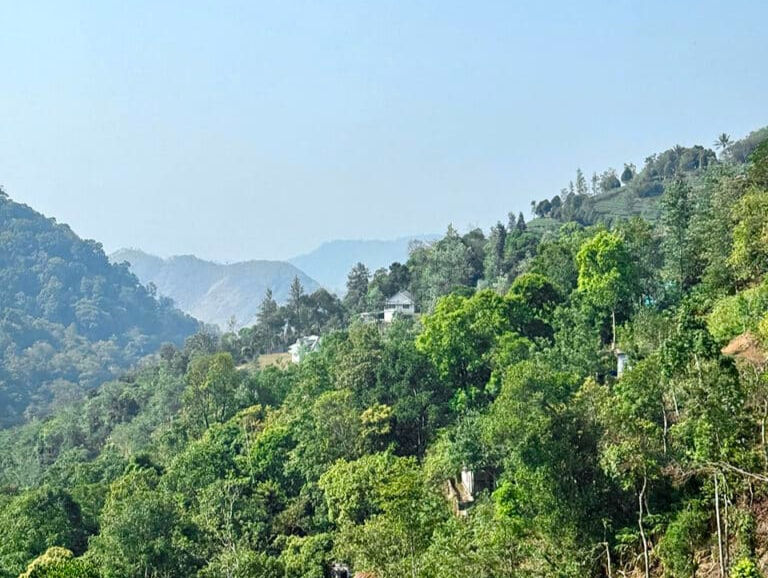
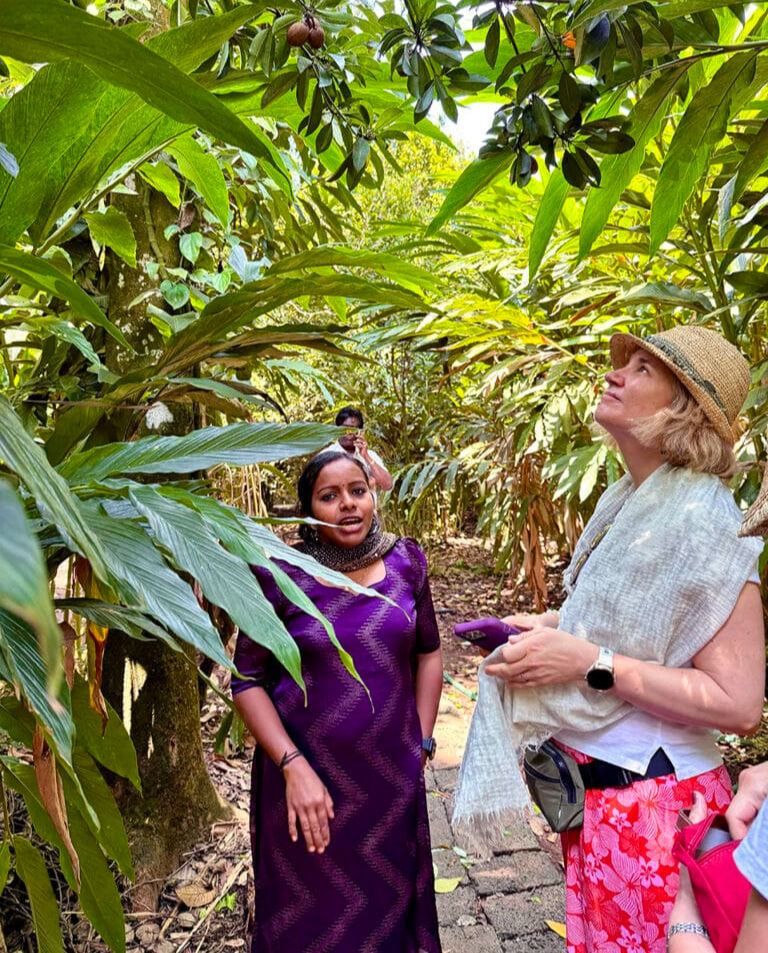
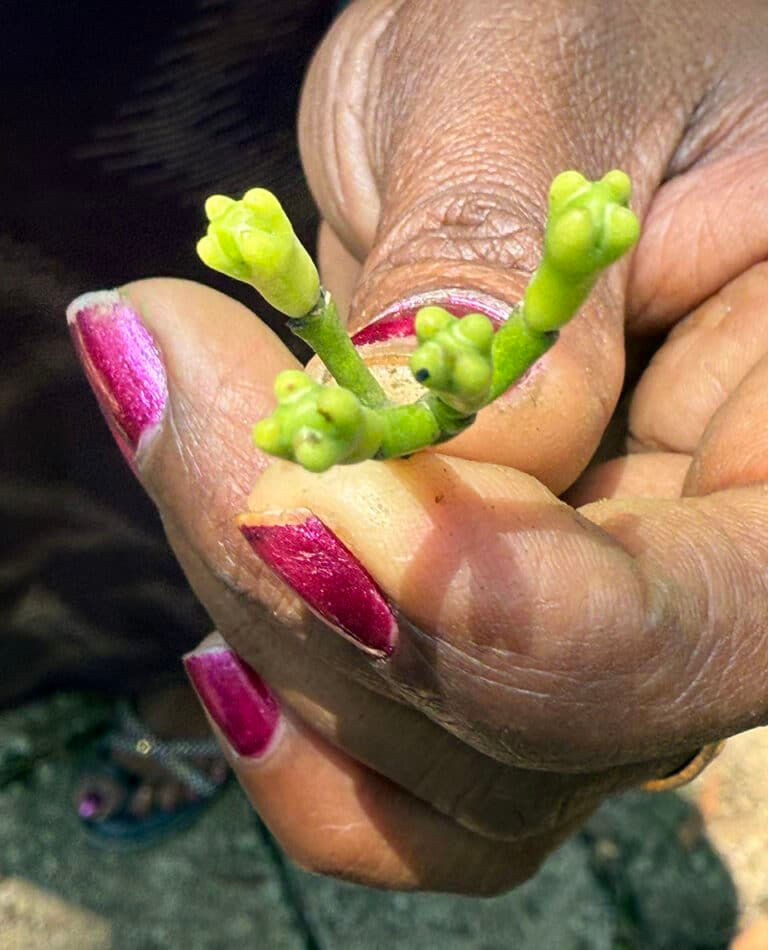
Spice Village, Kumily Spice Village in Kumily offered one of the most immersive experiences of Kerala’s spice-rich landscape, surrounded by the forests and hills of the Western Ghats. Walking through the plantations revealed how deeply spices are woven into the region’s history, culture, and daily life. Cardamom, black pepper, cloves, cinnamon, vanilla, nutmeg, turmeric, cacao, and coffee were all grown here, with black pepper once known as “black gold” for the wealth it brought through colonial trade. The cool mountain air carried the aroma of spices everywhere, making even simple walks feel calming and therapeutic. Kumily itself moved at a slower rhythm, connected closely with Ayurveda, sustainability, and nature. More than just a destination, Spice Village felt like an opportunity to experience Kerala through its flavors, traditions, and healing connection to the land.
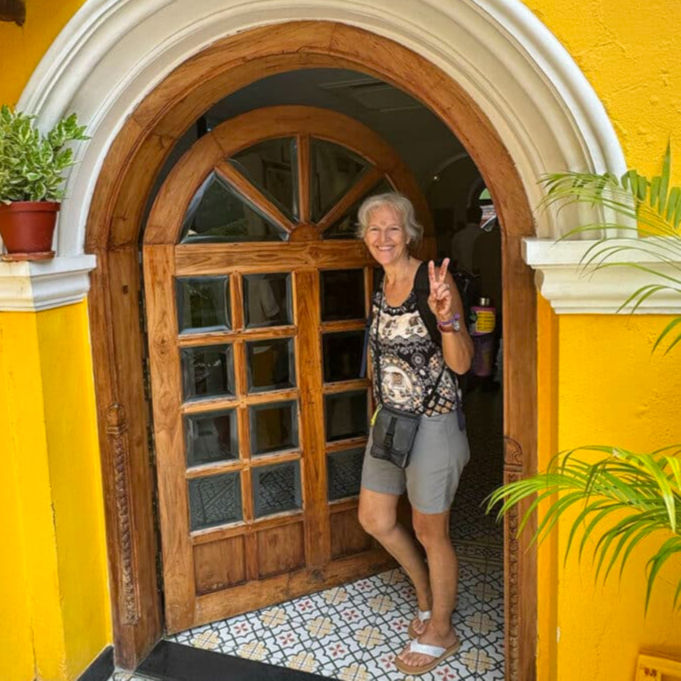
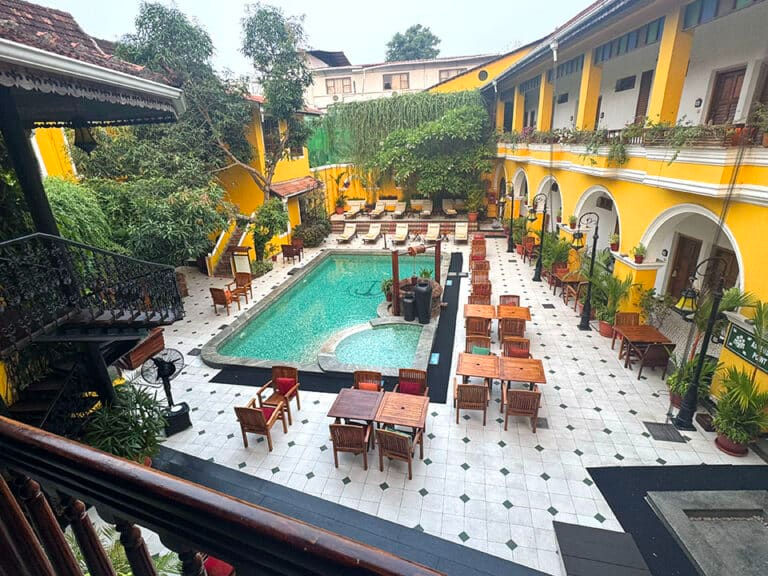
Fort Kochi Fort Kochi revealed a completely different side of Kerala, shaped by centuries of maritime trade and cultural exchange. Often called the “Queen of the Arabian Sea,” Kochi carries the influence of Arab, Chinese, Portuguese, Dutch, and British communities, all of which remain visible through its architecture, churches, heritage homes, spice markets, and waterfront streets. Walking through Fort Kochi felt like stepping through layers of living history, where colonial buildings stand beside cafés, fishing harbors, art spaces, and old trading lanes. The famous Chinese fishing nets along the shoreline symbolized Kochi’s long connection with global trade and seafaring cultures. Exploring Jew Town and the historic Paradesi Synagogue revealed another unique part of Kochi’s identity, reflecting centuries of religious coexistence and cultural harmony. With its quiet coastal atmosphere, historic charm, and blend of traditions, Fort Kochi felt both timeless and deeply connected to the world beyond India.
Why India Will Stay With You After This Trip
There is one thing that made this trip to India so memorable that it will stay forever.
It is impossible to predict what India is going to surprise you with, whether it is an experience of being overwhelmed and confused or one of inner peace and connection. It never ceases to amaze in surprising ways.
No matter if it was visiting ancient temples, observing rituals at a small shrine by the roadside, sailing through Kerala's backwaters, or just talking to a new person — everything about India felt truly personal.


Amazing and descriptive , very informative to plan a journey through South India. Thank you for sharing ! It was such a pleasure spending time with you in India... LOVE